In 2026, 2.3 million people – 1 in 3 Central Africans –need life-saving humanitarian assistance. While this marks a slight decline when compared to 2025 (2.4 million), needs remain high, with localized insecurity, natural disasters and health emergencies preventing populations from stabilizing. Wh
This piece was adapted from Russell Moore’s newsletter. Subscribe here. Last week, I taught a university class on respect for the conscience. One smart young student talked to me afterward and said she sometimes had difficulty telling the difference between her conscience and the...
. En 2026, 2,3 millions de personnes – soit 1 Centrafricain sur 3 – ont besoin d'une assistance humanitaire. Ce chiffre marque une légère baisse par rapport à 2025 (2,4 millions), mais les besoins restent élevés : l'insécurité localisée, les catastrophes naturelles et les urgence...
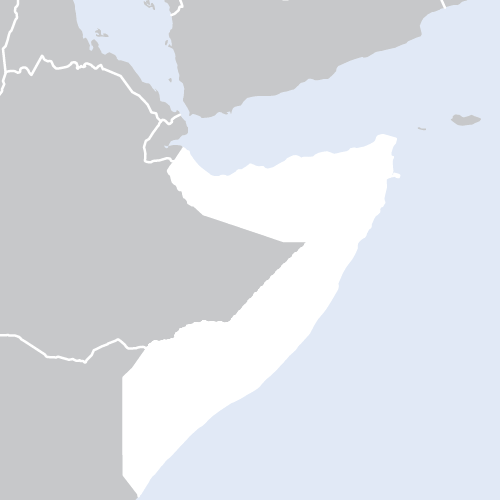
. MOGADISHU, 23 September 2026 – Millions of people across Somalia continue to face high levels of hunger while acute malnutrition among children is set to worsen over the coming months when heavy flooding associated with the anticipated El Niño is expected to worsen the situatio...
. 204,841 people assisted in August (74% women and girls) 668,435 food rations (January-August 2026) prepared and prepositioned USD 7M cash transferred in August USD 27M required in the next twelve months (September 2026 – August 2026) KEY HIGHLIGHTS • In August, WFP supported 20...
. While adults account for most cases, children under five years have the highest cases fatality ratio of over 60% compared with around 40% among adults. They also account for most of the deaths outside Ebola treatment centres—be it at home or in health centres where they are not...
. Purpose of this guide This quick guide offers a practical entry point for countries beginning to implement the International Classification of Violence against Children (ICVAC). It outlines the early actions required to launch the implementation process and integrate the classi...