
Quarterly Mixed Migration Update: Eastern and Southern Africa | Egypt and Yemen, Quarter 2 - 2026
Countries: Egypt, Burundi, Comoros, Democratic Republic of the Congo, Djibouti, Kenya, Madagascar, Malawi, Saudi Arabia, Somalia, Sudan, Uga…
. By Olivia LewisJuly 20, 2026 5:50 AM Share The monitors beep as doctors prepare for a cesarean. The suction machine and the bed warmer are arranged for the incoming baby. Unexpectedly, the lights go out, followed by all of the electrical medical equipment. The temperature of the room quickly begin
Recent coverage curated from local and regional sources.
Countries: Egypt, Burundi, Comoros, Democratic Republic of the Congo, Djibouti, Kenya, Madagascar, Malawi, Saudi Arabia, Somalia, Sudan, Uga…

Countries: Afghanistan, Australia, Bangladesh, India, Indonesia, Iran (Islamic Republic of), Malaysia, Myanmar, Pakistan, Papua New Guinea, …

. Global forecasts indicate strengthening El Niño conditions, prompting WFP to support government-led preparedness, early warning and antici…

Countries: Libya, Algeria, Canary Islands (Spain), Greece, Italy, Morocco, Spain, Tunisia . The core countries of focus for this region are …

Countries: Greece, Italy, Spain, World . The core countries of focus are Spain, Italy, Greece and countries along the Balkan migration route…

Countries: Panama, Brazil, Chile, Colombia, Costa Rica, Cuba, Dominican Republic, Ecuador, Guatemala, Haiti, Honduras, Mexico, Nicaragua, Pe…

Countries: Panama, Brazil, Chile, Colombia, Costa Rica, Cuba, Dominican Republic, Ecuador, Guatemala, Haiti, Honduras, Mexico, Nicaragua, Pe…

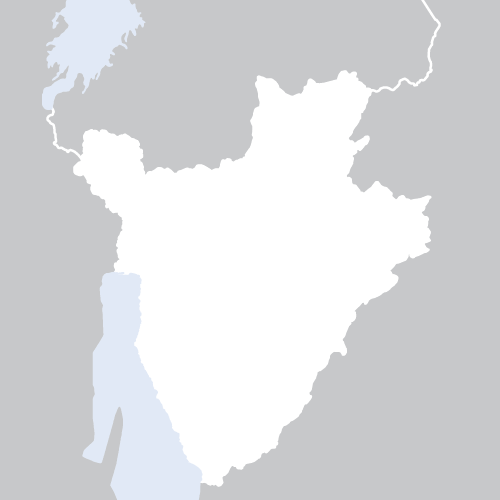
. In June 2026, WFP assisted 938,697 people, delivering 366 mt of food and USD 4.4 million in cash transfers. Burundi faces heightened risks…

. As of 22 July, AMDA’s relief team has been working to provide aid to those affected by the earthquakes that devastated Venezuela on 24 Jun…

. These areas have experienced prolonged insecurity linked to armed conflict, intercommunal tensions and local disputes, forcing many famili…

. **JULY 22, 2026, PHNOM PENH, CAMBODIA—**More than 100 representatives of governments, civil society, the private sector, regional organiza…

. Findings, exposure mapping and adaptation priorities for smallholder farming communities Executive Summary This Climate Vulnerability Asse…
Free weekly digest. Local news that actually matters — no spam, no clickbait, easy unsubscribe.
By subscribing you agree to our privacy policy. We never sell your data.