disaster
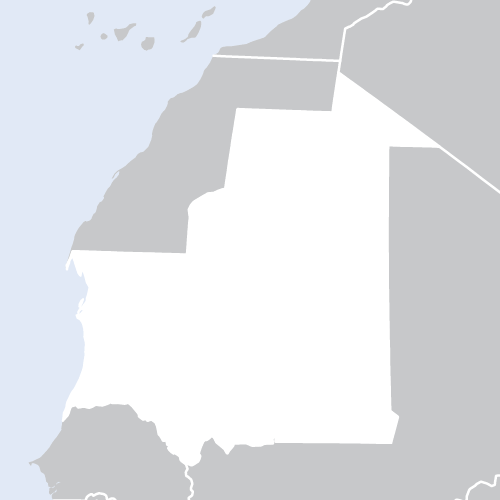
Mauritania: ACNUR expresa su profunda consternación por la muerte o desaparición de 144 personas frente a las costas de África occidental
Summary by Christgiving Editorial Desk UN High Commissioner for Refugees , ReliefWeb
· July 21, 2026
· 3 min read
Countries: Mauritania, Gambia, Spain, World . Las víctimas, entre ellas personas refugiadas y migrantes, intentaban alcanzar Europa por mar desde África occidental, una travesía extremadamente peligrosa que pone de nuevo de manifiesto el elevado coste humano de estas rutas. Entre el 14 y el 18 de ju
Story provenance No corrections
Summary created by Christgiving Editorial Desk — automated, rule-governed Original reporting UN High Commissioner for Refugees, ReliefWeb Original story Read at the source Source published Jul 21, 2026 Indexed here Jul 22, 2026 AI assistance Automated summary drawn from the source’s own published text Prepublication human review No — editorial rules, flagged-item review, and published samples
Every story comes with a passport. How we work · Corrections log
Key takeaway Entre el 14 y el 18 de julio se llevaron a cabo tres operaciones de rescate y desembarco en Nuadibú, Mauritania, que permitieron poner a salvo a 387 personas.
Why this matters
The recent tragedy off the coast of Mauritania highlights the extreme risks faced by refugees and migrants attempting to reach Europe via the Atlantic route. With 144 people dead or missing, this incident underscores the need for continued humanitarian efforts to prevent such losses. The fact that survivors, including two minors who lost their families, are recovering in hospital, emphasizes the devastating human cost of these journeys. Despite a 61% decrease in arrivals to the Canary Islands compared to 2025, the risks persist, and organizations like ACNUR must remain vigilant. The Atlantic route between West Africa and the Canary Islands remains one of the deadliest in the world, with long distances, unpredictable ocean conditions, and precarious vessels contributing to the high mortality rate. As ACNUR and its partners continue to assist survivors and identify those in need of international protection, it is clear that more must be done to address the root causes of these dangerous migrations and provide safer alternatives for those seeking refuge in Europe.
About this story
Original reporting by ReliefWeb . Christgiving surfaces reporting from trusted publishers and adds local editorial context so readers can quickly understand what a story means for their community. We attribute every source, link to the original report, and follow a documented editorial standards policy. To understand how stories are selected and reviewed, read our about page .
For the complete original report, visit ReliefWeb . Have a tip or correction? Contact our newsroom .
Category: disaster Published: July 21, 2026 Source: ReliefWeb Reading time: 3 min
Frequently asked about this story
What is this story about? Countries: Mauritania, Gambia, Spain, World . Las víctimas, entre ellas personas refugiadas y migrantes, intentaban alcanzar Europa por mar desde África occidental, una travesía extremadamente peligrosa que pone de nuevo de manifiesto el elevado coste humano de estas rutas. Entre el 14 y el 18 de ju
When was this published? This article was first published on July 21, 2026 by ReliefWeb and curated for Christgiving readers.
Who reported this story? This story was reported by UN High Commissioner for Refugees at ReliefWeb. To learn more about how Christgiving selects and reviews stories, see our editorial standards .
Where can I find related coverage? See more disaster coverage from Christgiving, or browse our daily briefing and topic hubs .



![Cash Working Group (CWG) South Sudan: Minutes of the CWG meeting 2 July 2026 and time 2:00 to 3:30pm - Venue: Hybrid [Meeting minutes]](https://christgiving.com/imgp?u=https%3A%2F%2Freliefweb.int%2Fsites%2Fdefault%2Ffiles%2Fstyles%2Fthumbnail%2Fpublic%2Fpreviews%2Fe1%2Ffb%2Fe1fbfd64-b4b6-4306-b360-7d54f1817ebc.png)
![Cash Working Group (CWG) South Sudan: Minutes of the CWG meeting 30 April 2026 and time 10:00 to 12:00 noon - Venue: Hybrid [Meeting minutes]](https://christgiving.com/imgp?u=https%3A%2F%2Freliefweb.int%2Fsites%2Fdefault%2Ffiles%2Fstyles%2Fthumbnail%2Fpublic%2Fpreviews%2Fdb%2F73%2Fdb7312e6-6299-4e09-b7fc-5e7988901a15.png)
![Cash Working Group (CWG) South Sudan: Minutes of the CWG meeting 12 March 2026 and time 10:00 to 11:40am - Venue: Hybrid [Meeting minutes]](https://christgiving.com/imgp?u=https%3A%2F%2Freliefweb.int%2Fsites%2Fdefault%2Ffiles%2Fstyles%2Fthumbnail%2Fpublic%2Fpreviews%2F19%2Fa7%2F19a78dbf-e39f-49bc-be36-3d739cec54d7.png)