disaster
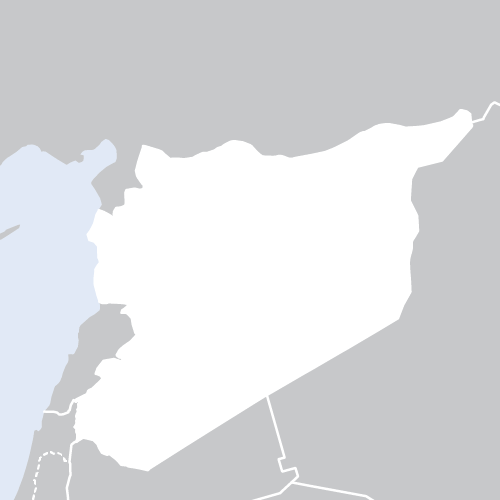
EUAA COI reports highlight Syria’s ongoing political transition while security, economic and humanitarian challenges persist
Summary by Christgiving Editorial Desk European Union Agency for Asylum , ReliefWeb
· July 13, 2026
· 3 min read
. With them, the Agency provides an update on the situation in Syria with a focus on developments between October 2025 and May 2026. The reports examine the security and socio-economic situation in the country and review the latest political and human rights developments, including the treatment of
Story provenance No corrections
Summary created by Christgiving Editorial Desk — automated, rule-governed Original reporting European Union Agency for Asylum, ReliefWeb Original story Read at the source Source published Jul 13, 2026 AI assistance Automated summary drawn from the source’s own published text Prepublication human review No — editorial rules, flagged-item review, and published samples
Every story comes with a passport. How we work · Corrections log
Key takeaway Following a military operation in January 2026, it assumed control of large areas previously held by the Syrian Democratic Forces (SDF) and concluded an agreement providing for the phased integration of the SDF into state institutions.
Why this matters
The ongoing challenges in Syria's political transition and persistent security, economic, and humanitarian issues have significant implications for faith-based organizations and Christian charities involved in disaster relief efforts. The continued presence of minority communities facing security threats, including killings and kidnappings, highlights the need for targeted support and protection. The economic conditions, with high inflation and widespread unemployment, also exacerbate the humanitarian crisis, making it essential for organizations to provide sustainable aid and livelihood support. Furthermore, the slow progress on transitional justice contributes to vigilante violence, emphasizing the importance of advocacy and support for accountability and reconciliation efforts. As the Syrian transitional government expands its control, faith-based organizations must navigate the complex landscape to ensure effective and responsible delivery of humanitarian assistance to the 15.6 million people in need, while also addressing the root causes of the crisis and promoting long-term recovery and stability.
About this story
Original reporting by ReliefWeb . Christgiving surfaces reporting from trusted publishers and adds local editorial context so readers can quickly understand what a story means for their community. We attribute every source, link to the original report, and follow a documented editorial standards policy. To understand how stories are selected and reviewed, read our about page .
For the complete original report, visit ReliefWeb . Have a tip or correction? Contact our newsroom .
Category: disaster Published: July 13, 2026 Source: ReliefWeb Reading time: 3 min
Get more Christgiving stories like this
Free weekly briefing covering disaster and other local news. Curated by our editorial team. No spam.
By subscribing you agree to our privacy policy . Unsubscribe anytime.
Frequently asked about this story
What is this story about? . With them, the Agency provides an update on the situation in Syria with a focus on developments between October 2025 and May 2026. The reports examine the security and socio-economic situation in the country and review the latest political and human rights developments, including the treatment of
When was this published? This article was first published on July 13, 2026 by ReliefWeb and curated for Christgiving readers.
Who reported this story? This story was reported by European Union Agency for Asylum at ReliefWeb. To learn more about how Christgiving selects and reviews stories, see our editorial standards .
Where can I find related coverage? See more disaster coverage from Christgiving, or browse our daily briefing and topic hubs .






![Philippines: Mayon Volcano Summary of 24Hr Observation 21 July 2026 12:00 AM [EN/TL]](https://christgiving.com/imgp?u=https%3A%2F%2Freliefweb.int%2Fsites%2Fdefault%2Ffiles%2Fstyles%2Fthumbnail%2Fpublic%2Fpreviews%2F7b%2Fab%2F7babad7b-0004-4749-a251-aebe7cd64c4c.png)


![Kazakhstan: Қазақстан — халықаралық еңбек мигранттарымен жүргізілген сауалнама (8 кезең) [KZ]](https://christgiving.com/imgp?u=https%3A%2F%2Freliefweb.int%2Fsites%2Fdefault%2Ffiles%2Fstyles%2Fthumbnail%2Fpublic%2Fpreviews%2F81%2Fc9%2F81c9de96-63f8-5abd-a0f7-a9845cf354db.png)


![oPt: MSF calls for the immediate release of all Palestinian healthcare workers arbitrarily detained by Israel [EN/AR]](https://christgiving.com/imgp?u=https%3A%2F%2Freliefweb.int%2Fsites%2Fdefault%2Ffiles%2Fstyles%2Fthumbnail%2Fpublic%2Fpreviews%2F7a%2F83%2F7a83c3a2-a82a-4ed6-b855-de4f37ab5bda.png)


