disaster
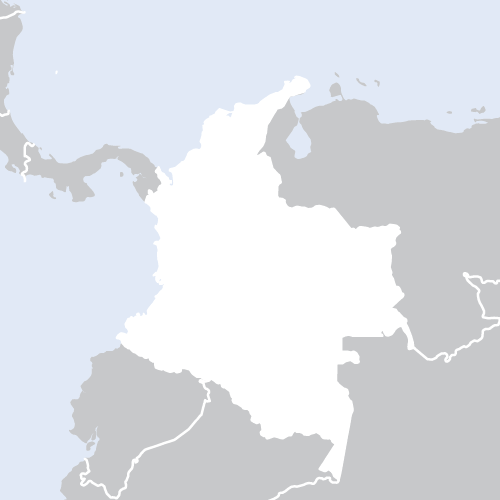
Colombia: Armed groups’ attacks on education affect over 12,000 students and teachers
Summary by Christgiving Editorial Desk Norwegian Refugee Council , ReliefWeb
· July 21, 2026
· 5 min read
. The data comes from NRC's documentation of attacks on education across Colombia's conflict areas between January and June 2026, covering 61 incidents within seven departments where the organisation provides humanitarian assistance to people affected by the armed conflict. Four in ten attacks took
Story provenance No corrections
Summary created by Christgiving Editorial Desk — automated, rule-governed Original reporting Norwegian Refugee Council, ReliefWeb Original story Read at the source Source published Jul 21, 2026 Indexed here Jul 21, 2026 AI assistance Automated summary drawn from the source’s own published text Prepublication human review No — editorial rules, flagged-item review, and published samples
Every story comes with a passport. How we work · Corrections log
Key takeaway “Six in ten of these attacks happened inside the school itself, in the one place children are meant to be safe,” said NRC's Colombia head of programmes, Mikel Mendezona.
Why this matters
The attacks on education in Colombia's conflict areas have severe implications for the country's long-term stability and development. With over 12,000 students and teachers affected, the disruption to education can have lasting effects on the social and economic fabric of the communities. The fact that four in ten attacks occurred on routes to school and six in ten inside the school itself highlights the vulnerability of these institutions. The lack of timely response from state institutions and international humanitarian aid exacerbates the problem, leaving two out of every three affected schools without the help they need. Furthermore, the issue is compounded by the lack of legal security for many rural schools, which operate on land without official property deeds, preventing authorities from allocating funds for repairs. This highlights the need for a comprehensive approach to address the root causes of the conflict and ensure the protection of education as a fundamental right.
About this story
Original reporting by ReliefWeb . Christgiving surfaces reporting from trusted publishers and adds local editorial context so readers can quickly understand what a story means for their community. We attribute every source, link to the original report, and follow a documented editorial standards policy. To understand how stories are selected and reviewed, read our about page .
For the complete original report, visit ReliefWeb . Have a tip or correction? Contact our newsroom .
Category: disaster Published: July 21, 2026 Source: ReliefWeb Reading time: 5 min
Get more Christgiving stories like this
Free weekly briefing covering disaster and other local news. Curated by our editorial team. No spam.
By subscribing you agree to our privacy policy . Unsubscribe anytime.
Frequently asked about this story
What is this story about? . The data comes from NRC's documentation of attacks on education across Colombia's conflict areas between January and June 2026, covering 61 incidents within seven departments where the organisation provides humanitarian assistance to people affected by the armed conflict. Four in ten attacks took
When was this published? This article was first published on July 21, 2026 by ReliefWeb and curated for Christgiving readers.
Who reported this story? This story was reported by Norwegian Refugee Council at ReliefWeb. To learn more about how Christgiving selects and reviews stories, see our editorial standards .
Where can I find related coverage? See more disaster coverage from Christgiving, or browse our daily briefing and topic hubs .






![Philippines: Mayon Volcano Summary of 24Hr Observation 21 July 2026 12:00 AM [EN/TL]](https://christgiving.com/imgp?u=https%3A%2F%2Freliefweb.int%2Fsites%2Fdefault%2Ffiles%2Fstyles%2Fthumbnail%2Fpublic%2Fpreviews%2F7b%2Fab%2F7babad7b-0004-4749-a251-aebe7cd64c4c.png)


