disaster
Findings from emergency response in Sudan: a 48-hour joint humanitarian effort
Summary by Christgiving Editorial Desk ODI - Humanitarian Practice Network , ReliefWeb
· July 21, 2026
· 1 min read
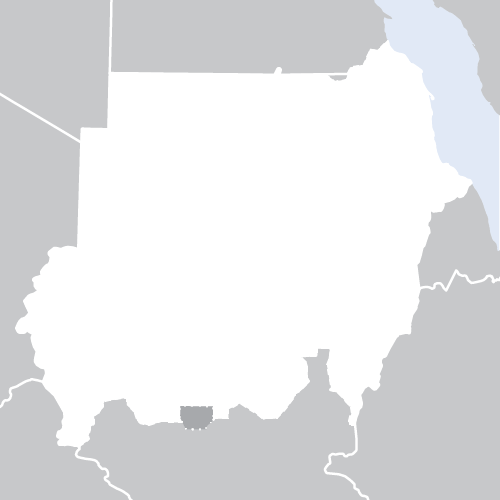
. The conflict in Darfur, which began in 2004, has been compounded by political and economic instability since October 2021, and more recently, escalating violence and civil war in the capital Khartoum in April 2023. Climate change further complicates the situation – leading to an increased number a
Story provenance No corrections
Summary created by Christgiving Editorial Desk — automated, rule-governed Original reporting ODI - Humanitarian Practice Network, ReliefWeb Original story Read at the source Source published Jul 21, 2026 Indexed here Jul 21, 2026 AI assistance Automated summary drawn from the source’s own published text Prepublication human review No — editorial rules, flagged-item review, and published samples
Every story comes with a passport. How we work · Corrections log
Key takeaway Severe flooding since 28 August 2025 has led to at least 32 deaths, and has displaced around 4,000 people, with more than 2,000 homes destroyed.
Why this matters
The situation in Sudan highlights the complex interplay between conflict, climate change, and humanitarian crises. The country's fragile health system is being pushed to the brink by concurrent outbreaks of cholera and dengue fever, while severe flooding and displacement exacerbate the existing food insecurity crisis. With nearly 25 million people acutely food insecure and famine present in multiple parts of the country, the need for sustained humanitarian support is critical. The joint humanitarian effort in response to the emergency is a crucial step in addressing the immediate needs of affected populations. However, long-term solutions will require a concerted effort to address the underlying drivers of instability, including climate change and conflict. The involvement of ECFA-accredited nonprofits and relief organizations, with their commitment to transparency and accountability, will be essential in ensuring that aid is delivered effectively and responsibly.
About this story
Original reporting by ReliefWeb . Christgiving surfaces reporting from trusted publishers and adds local editorial context so readers can quickly understand what a story means for their community. We attribute every source, link to the original report, and follow a documented editorial standards policy. To understand how stories are selected and reviewed, read our about page .
For the complete original report, visit ReliefWeb . Have a tip or correction? Contact our newsroom .
Category: disaster Published: July 21, 2026 Source: ReliefWeb Reading time: 1 min
Get more Christgiving stories like this
Free weekly briefing covering disaster and other local news. Curated by our editorial team. No spam.
By subscribing you agree to our privacy policy . Unsubscribe anytime.
Frequently asked about this story
What is this story about? . The conflict in Darfur, which began in 2004, has been compounded by political and economic instability since October 2021, and more recently, escalating violence and civil war in the capital Khartoum in April 2023. Climate change further complicates the situation – leading to an increased number a
When was this published? This article was first published on July 21, 2026 by ReliefWeb and curated for Christgiving readers.
Who reported this story? This story was reported by ODI - Humanitarian Practice Network at ReliefWeb. To learn more about how Christgiving selects and reviews stories, see our editorial standards .
Where can I find related coverage? See more disaster coverage from Christgiving, or browse our daily briefing and topic hubs .