disaster
L’OIM et le HCR profondément préoccupés par des incidents maritimes signalés au large du Myanmar ; plus de 500 personnes seraient décédées
Summary by Christgiving Editorial Desk International Organization for Migration , ReliefWeb
· July 16, 2026
· 3 min read
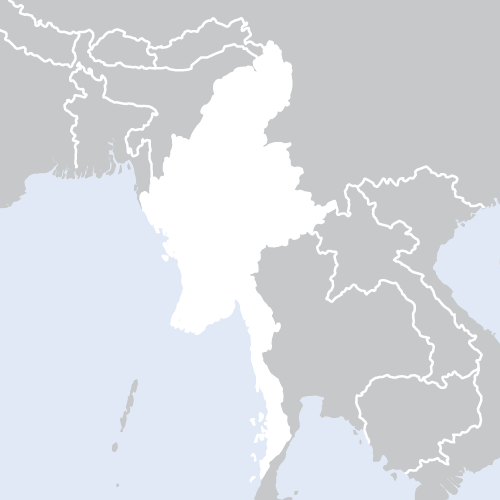
. Selon des informations préliminaires, les deux embarcations ont quitté l'État de Rakhine, au Myanmar, fin juin, avec à leur bord des passagers rohingyas en grande majorité, dont certains auraient voyagé depuis des camps de réfugiés à Cox's Bazar, au Bangladesh. Une première embarcation, qui transp
Story provenance No corrections
Summary created by Christgiving Editorial Desk — automated, rule-governed Original reporting International Organization for Migration, ReliefWeb Original story Read at the source Source published Jul 16, 2026 AI assistance Automated summary drawn from the source’s own published text Prepublication human review No — editorial rules, flagged-item review, and published samples
Every story comes with a passport. How we work · Corrections log
Key takeaway Une seconde, à bord de laquelle se trouvaient quelque 280 personnes, aurait coulé au large des côtes de l'Ayeyarwady, au Myanmar, le 8 juillet.
Why this matters
The reported maritime incidents off the coast of Myanmar highlight the desperate situation of Rohingya refugees and the need for urgent humanitarian action. With over 500 people potentially lost at sea, this tragedy underscores the devastating consequences of prolonged conflict and displacement. The fact that these crossings took place outside of the regular navigation season, when maritime conditions are more treacherous, exacerbates the risks. Furthermore, the recent floods and heavy rains in the region have increased the dangers of such journeys. The international community must take note of the growing number of people attempting perilous sea crossings in search of safety and protection, and the role of migrant trafficking and human smuggling networks in exploiting their desperation. Enhanced regional and international efforts are necessary to prevent further loss of life along one of the world's deadliest maritime routes, including improved search and rescue operations and access to asylum and protection.
About this story
Original reporting by ReliefWeb . Christgiving surfaces reporting from trusted publishers and adds local editorial context so readers can quickly understand what a story means for their community. We attribute every source, link to the original report, and follow a documented editorial standards policy. To understand how stories are selected and reviewed, read our about page .
For the complete original report, visit ReliefWeb . Have a tip or correction? Contact our newsroom .
Category: disaster Published: July 16, 2026 Source: ReliefWeb Reading time: 3 min
Get more Christgiving stories like this
Free weekly briefing covering disaster and other local news. Curated by our editorial team. No spam.
By subscribing you agree to our privacy policy . Unsubscribe anytime.
Frequently asked about this story
What is this story about? . Selon des informations préliminaires, les deux embarcations ont quitté l'État de Rakhine, au Myanmar, fin juin, avec à leur bord des passagers rohingyas en grande majorité, dont certains auraient voyagé depuis des camps de réfugiés à Cox's Bazar, au Bangladesh. Une première embarcation, qui transp
When was this published? This article was first published on July 16, 2026 by ReliefWeb and curated for Christgiving readers.
Who reported this story? This story was reported by International Organization for Migration at ReliefWeb. To learn more about how Christgiving selects and reviews stories, see our editorial standards .
Where can I find related coverage? See more disaster coverage from Christgiving, or browse our daily briefing and topic hubs .







![Philippines: Mayon Volcano Summary of 24Hr Observation 21 July 2026 12:00 AM [EN/TL]](https://christgiving.com/imgp?u=https%3A%2F%2Freliefweb.int%2Fsites%2Fdefault%2Ffiles%2Fstyles%2Fthumbnail%2Fpublic%2Fpreviews%2F7b%2Fab%2F7babad7b-0004-4749-a251-aebe7cd64c4c.png)


![Kazakhstan: Қазақстан — халықаралық еңбек мигранттарымен жүргізілген сауалнама (8 кезең) [KZ]](https://christgiving.com/imgp?u=https%3A%2F%2Freliefweb.int%2Fsites%2Fdefault%2Ffiles%2Fstyles%2Fthumbnail%2Fpublic%2Fpreviews%2F81%2Fc9%2F81c9de96-63f8-5abd-a0f7-a9845cf354db.png)


![oPt: MSF calls for the immediate release of all Palestinian healthcare workers arbitrarily detained by Israel [EN/AR]](https://christgiving.com/imgp?u=https%3A%2F%2Freliefweb.int%2Fsites%2Fdefault%2Ffiles%2Fstyles%2Fthumbnail%2Fpublic%2Fpreviews%2F7a%2F83%2F7a83c3a2-a82a-4ed6-b855-de4f37ab5bda.png)


